
Tag: car reviews

  • Food Trucks for Sale: A Buyer’s Guide to Getting It Right

    Food Trucks for Sale: A Buyer’s Guide to Getting It Right

    When shopping for food trucks for sale, the smartest approach is to match the truck to your menu and business plan, decide between new and used, and carefully inspect both the vehicle and its kitchen equipment before buying, while confirming it can meet local permit and health regulations. A food truck is really two purchases in one, a vehicle and a commercial kitchen, so both the engine, chassis, and condition and the cooking equipment, layout, and utilities matter enormously. New trucks offer customization and reliability at a higher price, while used trucks cost less but demand closer inspection. Getting these fundamentals right, the fit to your concept, the condition, the equipment, and the compliance, is what separates a food truck that launches a thriving business from a costly mistake.

    A food truck can be the launchpad for a food business dream, but buying one is a big decision that blends vehicle-buying with commercial-kitchen-buying. With many food trucks for sale, from turnkey used rigs to custom new builds, knowing what to look for is essential. This guide walks through new versus used, what to inspect, the kitchen equipment, permits and regulations, costs, and how to choose the right food truck for your venture.

    What it is A vehicle and a commercial kitchen in one
    Match to Your menu and business plan
    New trucks Customizable and reliable, higher cost
    Used trucks More affordable, need closer inspection
    Inspect The vehicle and the kitchen equipment
    Must meet Local permit and health regulations
    Key costs Purchase, equipment, permits, and startup
    Goal A truck that fits your concept and complies

    Start With Your Concept

    Before browsing food trucks for sale, get clear on your food concept and business plan, because the right truck depends entirely on what you plan to serve and how you plan to operate. A truck built for grilling burgers differs from one designed for coffee, tacos, or baked goods, since each menu requires specific equipment, space, and layout.

    Think about your menu, your expected volume, and how you will work in the space, then look for a truck whose size, kitchen setup, and equipment fit that vision. Buying a truck that does not match your concept means costly modifications or a compromised operation. Starting with a clear plan ensures the food truck you choose actually supports the business you want to run, which is the foundation of a good purchase.

    New vs Used Food Trucks

    One of the first major decisions is whether to buy new or used, and each path has clear trade-offs. Understanding them helps you choose based on your budget and priorities.

    Option Advantages Considerations
    New / custom build Customized, reliable, built to your needs Higher cost, longer lead time
    Used truck Lower cost, often available quickly Needs thorough inspection
    Turnkey used Ready to operate with equipment Verify condition and compliance
    Truck plus build-out A base vehicle you outfit More work but tailored

    Inspect the Vehicle

    Because a food truck is first a vehicle, its mechanical condition matters just as much as its kitchen, especially for used trucks. A truck that breaks down cannot serve customers, so inspect it like you would any used commercial vehicle. Check the engine, transmission, brakes, tires, and overall mechanical condition, and review the mileage and maintenance history. Look for signs of rust, damage, or wear, and consider having a qualified mechanic inspect it before buying, particularly for an older or higher-mileage truck. The generator or power system that runs the kitchen is also crucial and should be checked. A sound, reliable vehicle is the foundation, since even a great kitchen is useless on a truck that will not run dependably.

    Inspect the Kitchen Equipment

    The other half of a food truck is its commercial kitchen, so inspecting the equipment and setup is essential to know what you are getting. Go through everything that makes the truck function as a mobile kitchen.

    • The cooking equipment you need, such as grills, fryers, or ovens, and its condition
    • Refrigeration and freezer units, and whether they hold temperature
    • The layout and workflow, ensuring it suits your menu and staff
    • Water systems, including fresh and waste water tanks and the sink setup
    • The power source, whether a generator, propane, or shore power, and its capacity
    • Ventilation and the exhaust hood, which are critical for cooking and compliance

    Permits, Licenses, and Regulations

    A food truck must comply with a range of local regulations, so understanding and confirming compliance is a critical part of buying one. Food trucks are subject to health department rules, business licenses, permits, and often specific equipment and safety requirements that vary by location. Before buying a particular truck, it is wise to understand your local requirements and confirm that the truck can meet them, since a truck that cannot be permitted where you operate is a serious problem. Some used trucks may already meet certain standards, while others may need modifications to comply. Because these rules vary widely by city and region and change over time, verify the current requirements with your local authorities and factor compliance into your decision and budget.

    Understanding the Costs

    The purchase price of a food truck is only part of the total investment, so it helps to understand the full cost picture before buying. Food truck prices vary widely based on whether they are new or used, their size, and the equipment included, with custom new builds costing considerably more than basic used trucks. Beyond the truck itself, budget for equipment or upgrades, permits and licenses, initial inventory, insurance, and ongoing operating costs like fuel and maintenance. Factoring in these additional costs gives you a realistic picture of what launching your food truck will require, and helps you avoid stretching your budget on the truck alone and leaving too little for everything else needed to operate.

    Tips for Buying the Right Truck

    A few practical tips help ensure you buy a food truck that serves your business well. Keeping these in mind guides you to a smart purchase.

    • Match the truck’s size, layout, and equipment to your specific menu and plan
    • Inspect both the vehicle and the kitchen thoroughly, or have professionals do so
    • Confirm the truck can meet your local permit and health requirements
    • Budget for the full cost, not just the purchase price
    • Buy from reputable sellers and review any available history and records
    • Do not rush; take time to find a truck that truly fits your needs

    Frequently Asked Questions

    What should I look for when buying a food truck?

    Inspect both the vehicle, its engine, transmission, brakes, and condition, and the kitchen, its cooking equipment, refrigeration, water systems, power, and ventilation. Confirm it fits your menu and can meet local permit and health regulations before buying.

    Is it better to buy a new or used food truck?

    It depends on your budget and needs. New or custom trucks are reliable and built to your specifications but cost more, while used trucks are more affordable and often available quickly but require thorough inspection of both the vehicle and the kitchen.

    How much does a food truck cost?

    Prices vary widely with new versus used, size, and equipment, and custom builds cost considerably more than basic used trucks. Beyond the purchase, budget for equipment, permits, inventory, insurance, and operating costs to understand the full investment.

    Do food trucks need special permits?

    Yes, food trucks are subject to health department rules, business licenses, and permits that vary by location, along with equipment and safety requirements. Confirm your local requirements and that a truck can meet them before buying, since rules vary and change.

    Where can I buy a food truck?

    Food trucks are sold through specialized food truck dealers and builders, online marketplaces, auctions, and private sellers. Custom builders create new trucks to your specifications, while marketplaces and private sellers often have used and turnkey trucks. Buy from reputable sources and verify condition and records.

    Final Thoughts

    Buying from the food trucks for sale out there is an exciting step toward a food business, but it rewards a careful, informed approach. Start with a clear concept, decide between new and used, and thoroughly inspect both the vehicle and the kitchen equipment, since a food truck is both at once. Confirm the truck can meet your local permit and health regulations, and budget for the full cost beyond the purchase price. Take your time to find a truck that genuinely fits your menu and plan, and you will have a reliable, compliant foundation to launch and grow your mobile food business.

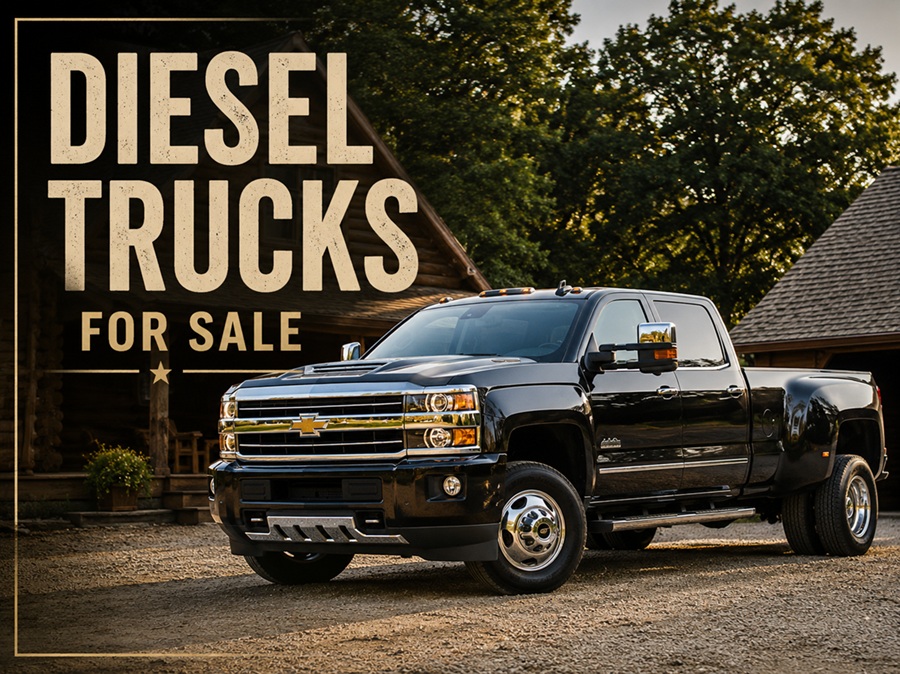
  • Diesel Trucks for Sale: What to Know Before You Buy

    Diesel Trucks for Sale: What to Know Before You Buy

    When looking at diesel trucks for sale, the key is understanding what makes diesel worthwhile, strong towing power, torque, and long engine life, and then deciding between new and used and inspecting the truck carefully, since diesel engines and their emissions systems have specific maintenance needs. Diesel trucks are prized for their impressive torque and towing and hauling capability, their durability and high-mileage longevity, and often better fuel efficiency under load than comparable gas trucks, which makes them popular for work and heavy towing. Those strengths come with higher upfront costs and particular maintenance requirements, so buying a diesel truck well means matching it to your needs, checking its condition and history closely, and understanding what owning a diesel involves.

    Diesel trucks have a devoted following for good reason: their power, towing ability, and longevity make them workhorses that many owners swear by. But a diesel truck is a significant purchase with its own considerations, so knowing what to look for helps you choose wisely among the diesel trucks for sale. This guide covers the benefits of diesel, new versus used, what to inspect, maintenance considerations, costs, and tips for buying the right diesel truck.

    Main strengths Torque, towing, and long engine life
    Popular for Work, hauling, and heavy towing
    Under load Often more efficient than gas trucks
    Trade-offs Higher upfront cost and specific upkeep
    Decide Between new and used
    Inspect Engine, emissions systems, and history
    Match to Your towing and usage needs
    Goal The right diesel truck for your needs

    Why Choose a Diesel Truck

    Understanding the appeal of diesel is the starting point, since diesel trucks are chosen for specific strengths that matter to certain drivers. The headline benefit is power, specifically torque, the low-end pulling power that makes diesels excellent for towing trailers, hauling heavy loads, and doing demanding work. If you tow or haul regularly, this capability is a major draw.

    Diesel engines are also known for durability and longevity, often lasting to very high mileage when well maintained, which appeals to those who want a truck that goes the distance. Under heavy use and towing, diesels can also deliver better fuel efficiency than comparable gasoline trucks. These strengths, power, longevity, and efficiency under load, are why diesel trucks remain popular for work and serious towing, and why many owners are so loyal to them.

    New vs Used Diesel Trucks

    As with any truck, you will choose between new and used diesel trucks, and each has trade-offs worth weighing. Your budget, needs, and comfort with a used vehicle guide the decision.

    Option Advantages Considerations
    New diesel Latest tech, warranty, no wear Higher purchase price
    Used diesel Lower cost, proven durability Inspect condition and history
    Low-mileage used Balance of value and life left Verify maintenance records
    High-mileage used Lowest cost, diesels last long Scrutinize upkeep closely

    What to Inspect

    Inspecting a diesel truck carefully is essential, especially for used ones, since diesel engines and their systems have specific things to check. A thorough inspection protects you from costly surprises.

    • The engine’s condition, and any signs of leaks, smoke, or hard starting
    • The maintenance history, since consistent upkeep is crucial for diesels
    • The emissions system components, which are important and can be costly to repair
    • Mileage in context, remembering diesels can last long with good care
    • The transmission, brakes, tires, and drivetrain
    • Signs of heavy work or towing wear, and overall condition
    • For towing use, the truck’s towing capacity and setup

    Diesel Maintenance Considerations

    Owning a diesel truck comes with particular maintenance considerations that differ from gasoline vehicles, and understanding them before buying sets the right expectations. Diesel engines have specific service needs, including their fuel and filtration systems, and modern diesels have emissions systems that require proper maintenance and can be expensive to repair if neglected. Regular, proper maintenance is especially important for diesels to achieve their famous longevity, so a truck with a strong, documented maintenance history is worth seeking out. Diesel fuel and some services can cost more, though this is often offset by the engine’s durability and efficiency. Factoring in these upkeep requirements helps you understand the true cost and commitment of diesel ownership, and confirm you are ready for it.

    Understanding the Costs

    Diesel trucks typically cost more than comparable gasoline trucks, both to buy and in certain aspects of ownership, so understanding the cost picture helps you budget realistically. The purchase price of diesel trucks is generally higher, reflecting the engine and capability, and diesel fuel and some maintenance can cost more. On the other hand, diesels often hold their value well, last a long time, and are efficient under load, which offsets some costs over the long run, especially for those who use the truck’s capabilities. Weighing the higher upfront and some ownership costs against the durability, capability, and resale value helps you decide whether a diesel truck is the right financial choice for how you will use it.

    Tips for Buying the Right Diesel Truck

    A few practical tips help you choose a diesel truck that fits your needs and avoids pitfalls. Keep these in mind as you shop.

    • Match the truck’s capability to your actual towing and hauling needs
    • Prioritize trucks with a strong, documented maintenance history
    • Inspect the engine and emissions systems carefully, or have a pro do it
    • Consider a pre-purchase inspection by a diesel-savvy mechanic for used trucks
    • Budget for the higher upfront and some ownership costs
    • Buy from reputable sellers and review the truck’s records

    Frequently Asked Questions

    Why buy a diesel truck?

    Diesel trucks offer strong torque and towing power, impressive durability and high-mileage longevity, and often better efficiency under load than gas trucks. They are popular for work and heavy towing, which are their standout strengths for the right driver.

    What should I check when buying a used diesel truck?

    Inspect the engine for leaks, smoke, or hard starting, review the maintenance history closely, and check the emissions system components, which can be costly to repair. Also check the transmission, drivetrain, and towing setup, and consider a pre-purchase inspection.

    Are diesel trucks more expensive to own?

    They generally cost more to buy, and diesel fuel and some maintenance can cost more, with emissions system repairs potentially expensive. However, their durability, efficiency under load, and strong resale value offset some costs, especially with heavy use.

    How long do diesel trucks last?

    Diesel engines are known for longevity and can reach very high mileage when properly maintained, which is a big part of their appeal. Consistent, proper maintenance is key, so a documented service history is important when buying a used diesel truck.

    Diesel vs Gas Trucks: Which Is Right for You

    A common question for truck buyers is whether to choose diesel or gas, and understanding the trade-off helps you decide which suits your needs. The right answer depends heavily on how you plan to use the truck, since each has clear strengths.

    Diesel trucks excel at towing and hauling heavy loads thanks to their torque, offer impressive longevity, and are efficient under load, making them ideal for those who tow frequently, work their trucks hard, or keep vehicles for the long haul. However, they cost more upfront and have specific, sometimes pricier maintenance. Gas trucks are generally cheaper to buy and maintain, quieter, and perfectly capable for lighter use and everyday driving, but they lack the heavy-towing muscle and high-mileage durability diesels are known for.

    The decision comes down to your usage: if you regularly tow heavy trailers, haul big loads, rack up serious miles, or want maximum longevity and capability, a diesel truck earns its premium. If you mostly drive around, tow only occasionally or lightly, and want lower upfront and running costs, a gas truck may serve you better. Matching the truck to how you will actually use it is the key to a satisfying choice.

    • Diesel: best for heavy towing, hauling, and high mileage
    • Diesel: higher upfront and some maintenance costs
    • Gas: cheaper to buy and maintain, great for lighter use
    • Gas: lacks diesel’s heavy-towing muscle and longevity
    • Choose based on how you will actually use the truck

    Final Thoughts

    Diesel trucks for sale appeal to drivers who want serious towing power, durability, and long engine life, making them excellent workhorses for hauling and heavy use. To buy one well, understand what makes diesel worthwhile, match the truck to your real needs, decide between new and used, and inspect the engine, emissions systems, and maintenance history carefully. Keep in mind the higher upfront and some ownership costs, balanced against diesel’s longevity and capability. Choose a well-maintained truck that fits how you will use it, and a diesel truck can reward you with years of powerful, dependable service.